Edmond A Porter: Award-Winning Utah Author | Official Website
Available
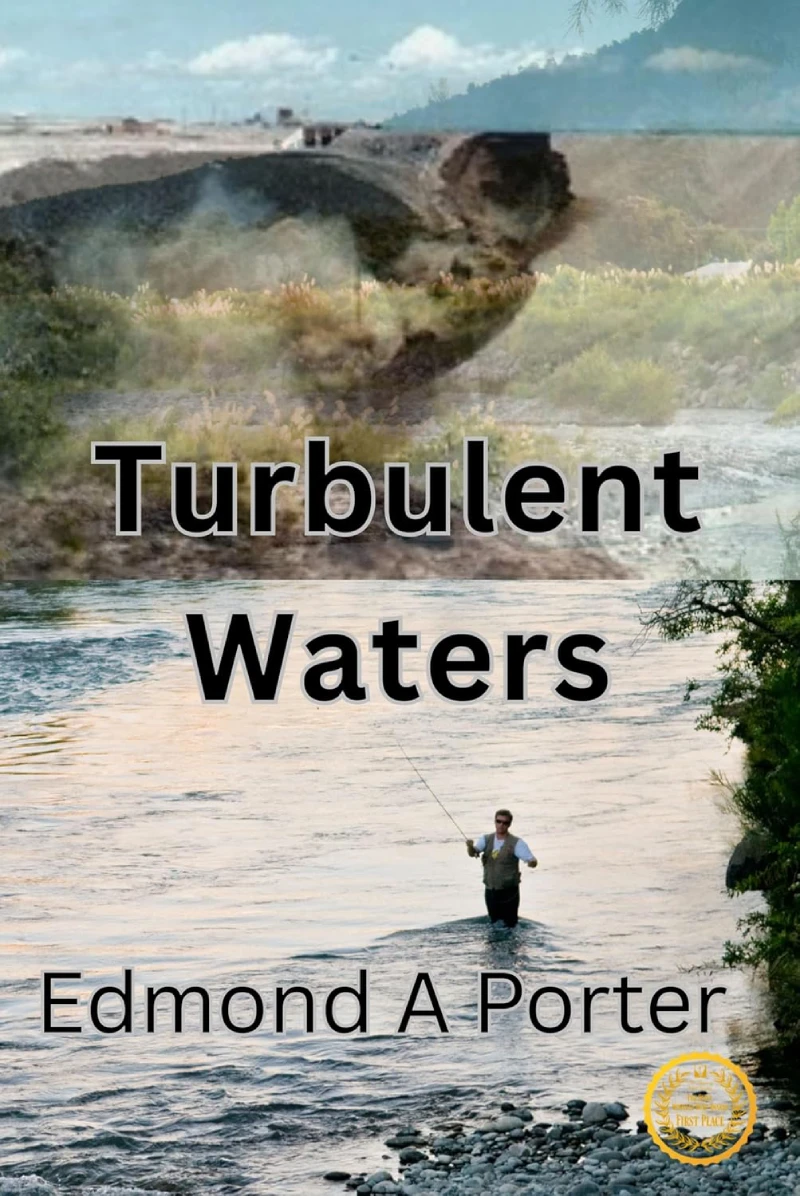
Turbulent Waters
In the shadow of Idaho's biggest engineering project, Jake and Anna are on opposite sides of the river—until the current pulls them together and the flood takes everything else.
From the earliest days of Idaho history, precious metals became the subject of oral histories passed on around the prospectors' campfires. Lost gold mines and daring stagecoach robberies elevated those oral histories to legends. Over 160 years later, those legends live on. This collection reimagines those legends, giving the reader a look into Idaho's storied past.
A historical fiction romance set against the 1976 Teton Dam collapse in eastern Idaho — Jake and Anna are on opposite sides of the river, until the current pulls them together and the disaster tears their worlds apart.
My writing paused this past week to promote my historical fiction novel. Here are a few things I learned:
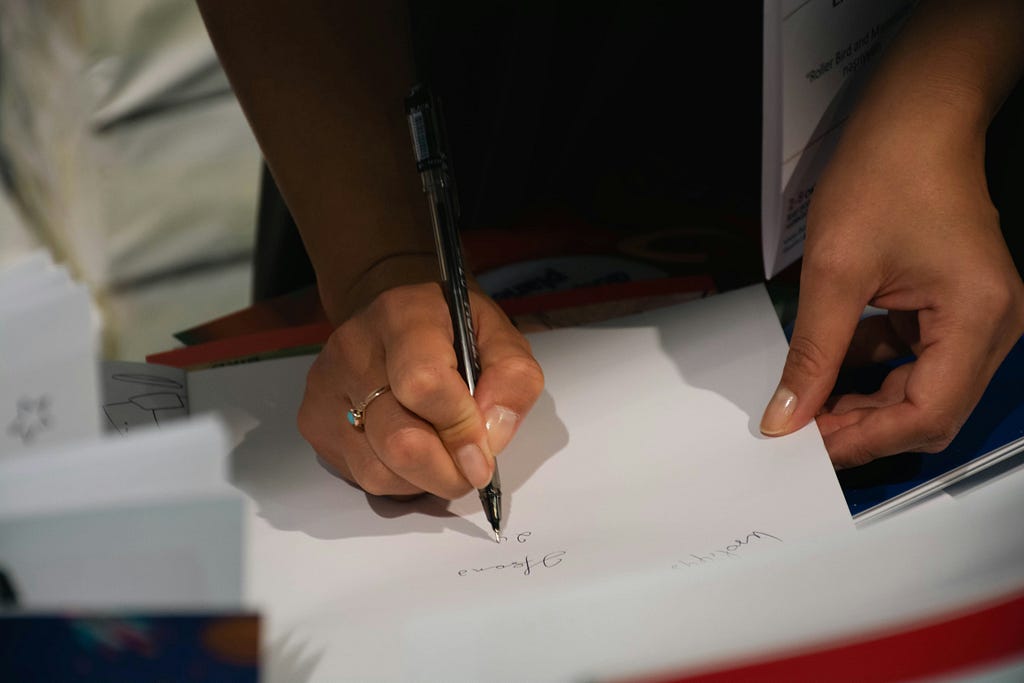
Promoting is harder than writing.Be prepared. Have a water bottle. Offer some freebies like bookmarks or saltwater taffy.Independent bookstore owners are wonderful people.Fellow authors are supportive. The three of us wrote very different kinds of books about the same event. Mine, of course, was historical fiction. One was a photo essay of the same event from 50 years ago. The third explored the politics and power that shaped the event. Yet, the three of us were able to support and help one another.The event, the failure of the Teton Dam in Eastern Idaho on June 5, 1976, was and still is a major event for the region. For people outside the region, it is hardly remembered.Don’t scare off the bookstore’s customers by sitting right inside the front door of the shop. Leave an escape route for those not interested in your “dam books”.Have something witty to write when you sign the book. If not, sign your name and go on.You meet interesting people, even if they don’t buy your book.Out of nowhere, people you know show up at your book signing.When you’re done, get back to your next project. Time waits for no one.
Chauncey strode toward the two blue silos. The war ten years earlier, and the pandemic that followed, assured the demise of the dairy farm, but the structures still towered into the sky.
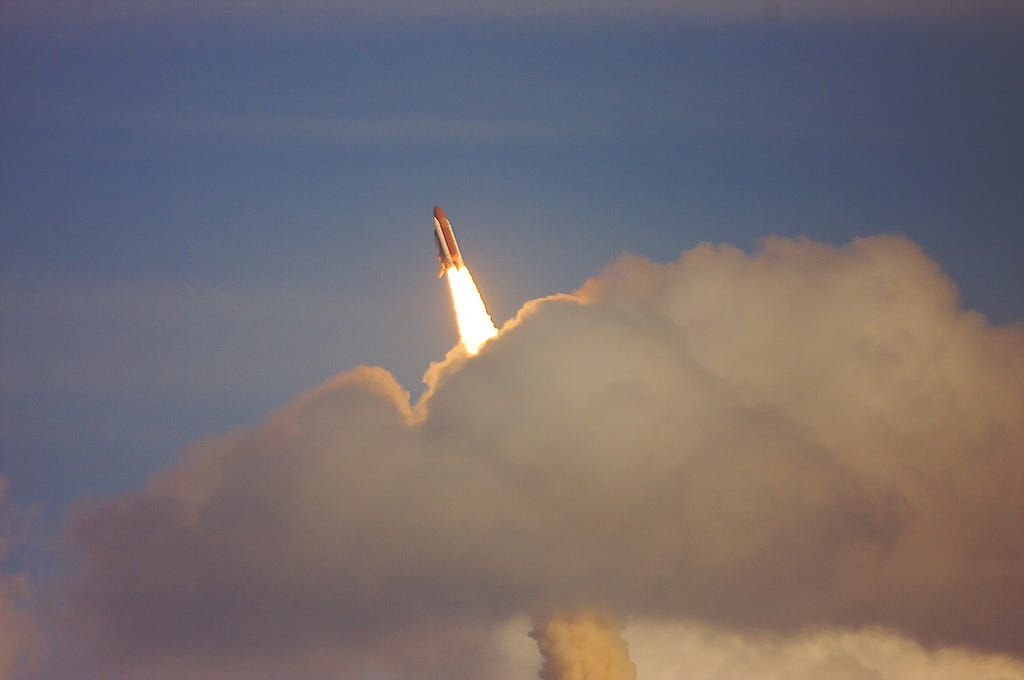
Upon reaching the base of the south silo, Chauncey gripped the ladder and began to ascend. He climbed past the rust streaks and blistered paint that marred the side of the silo and reached the platform. Stepping off the ladder, he paused to catch his breath. His eyes rested on the manned capsule atop the modified military rocket.
Crossing the platform to the spacecraft, he poked his head inside. “Do you have the memory pods?” he asked, looking at the two occupants.
“Yes, we have them.” The helmet muffled Cranston’s voice. “They are stowed in the center console.”
Cranston gave a thumbs up, but the woman sitting in the seat beside him pulled off her helmet and shook her head. “They’re just USB drives. That is not what I expected memories to look like.”
Chauncey chuckled, “Did you expect a piece of brain tissue, Silvia?”
Silvia shuddered. “Of course not,” she said. “I didn’t know somebody could digitize human memory.”
“You can thank Carver for that,” Chauncey said with displeasure. “Now, are you ready to go?” Chauncey suspected the memories had little to do with Sylvia’s concerns.
“Not yet,” Silvia said as she shifted in her seat. “What if we don’t make it to space?”
“We’ve been over this before. That’s what the parachutes are for,” Chauncey said. “Remember, you are not the first to take this ride.”
Every writer encounters those daunting moments, sometimes multiple times a day, when the words won’t flow onto the page. The novel, begun with enthusiasm five years ago, now looms ominously overhead, much like the fabled sword of Damocles. The story, once eagerly promised to the writers’ group, remains frustratingly elusive.
We share a common struggle as we stand together in this familiar terrain of creative blockades. I, too, have faced the silent mockery of the page, the story that resists completion despite years of nurturing. In these challenging times, what tools do you turn to? What strategies do you employ to coax the words from the recesses of your imagination?
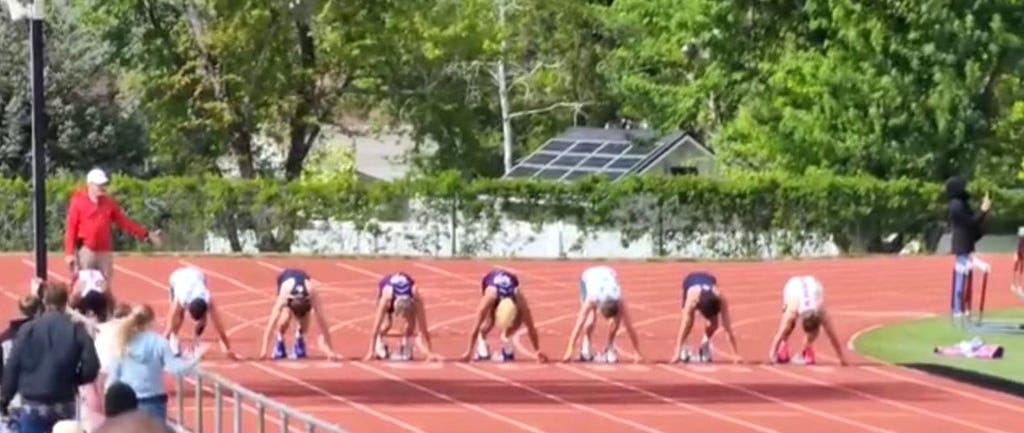
Now, let’s shift our focus from the solitary struggle of the writer to an inspiring narrative of athletic determination that has inspired me. For the past three years, I’ve been following the progress of a confident young man — a sprinter on his high school track team. Annually, he has secured his spot at the state championships in the 100-meter. Despite commendable performances, the finals eluded him — until this year. This season, he not only clinched a medal, placing 7th statewide in his classification with a blistering 10.88 seconds, but expanded his repertoire, qualifying in the 200-meter dash, the 4 x 200-meter relay, and the 4 x 100-meter relay. His relentless pursuit led to a new school record in the 100-meter dash, clocking in at 10.79 seconds, shattering a decade-old record. Moreover, his 200-meter relay team repeatedly broke and re-established the school record.